Related Articles
- New EV Charging Rules October 2026: What Leeds Homeowners Need to Know
- Government Depot Charging Scheme: A Guide for UK Fleet Operators
- Best Home EV Chargers UK: Zappi vs Ohme vs Hypervolt
- Tethered vs Untethered EV Chargers: Which Is Best for Your Home?
- EV Charger Installation Cost in Yorkshire: What Affects the Price?

Changes to electricity VAT and planning rules could make home EV charging more affordable and accessible for households across Leeds and West Yorkshire, including those without a driveway.
October 2026 brings two important developments for homeowners considering an electric vehicle or installing a home EV charger.
The first is a temporary reduction in VAT on domestic electricity, which could help reduce the cost of charging an electric car at home. The second is a change to planning regulations in England, designed to make it easier for households without off-street parking to install approved cross-pavement charging solutions.
For homeowners in Leeds, where many terraced and back-to-back properties have no private driveway, these changes could make a real difference.
But what exactly has changed, who can benefit, and what should you consider before installing an EV charger?
1. Domestic Electricity VAT Reduced to 0% from October 2026
From 1 October 2026, VAT on qualifying domestic electricity supplies in Great Britain has been temporarily reduced from 5% to 0%.
The reduction applies until 31 March 2027 and covers qualifying domestic electricity, not just electricity used for charging electric vehicles.
For homeowners who charge their EV using their household electricity supply, this provides an additional opportunity to reduce running costs.
How much could you save charging an EV at home?
The amount you pay to charge your vehicle depends on several factors:
- Your electricity tariff and price per kWh
- Your vehicle’s battery capacity
- How frequently you charge
- Whether you can take advantage of off-peak electricity rates
- Charging efficiency and energy losses
For example, a vehicle requiring 50 kWh of electricity at a rate of 10p per kWh would cost approximately £5 in electricity before allowing for charging losses.
At 25p per kWh, the same amount of electricity would cost £12.50.
This illustrates why choosing a suitable electricity tariff can make a substantial difference to the ongoing cost of home EV charging.
The VAT reduction is welcome, but it is worth remembering that electricity prices can change independently of VAT. A 0% VAT rate doesn’t guarantee that your overall electricity bill will fall.
You can find further information about the temporary VAT reduction on the HMRC domestic electricity VAT guidance.
Can a smart EV charger help reduce charging costs?
Yes. A smart home EV charger can help you make better use of electricity tariffs offering cheaper rates at certain times of day.
Rather than charging immediately when you plug your vehicle in, compatible smart chargers can be programmed to charge during your preferred hours.
Some systems also integrate with compatible vehicles, energy tariffs and home solar installations.
At Scott Electrical, we install EV charging systems from manufacturers including Ohme, myenergi Zappi and Hypervolt.
The most suitable charger will depend on your vehicle, property, electricity supply and how you intend to charge.
Find out more about our home EV charger installation services.
2. New Planning Rules for EV Charging Without a Driveway
One of the biggest barriers to home EV charging has been the lack of private off-street parking.
For homeowners with a driveway, installing a dedicated EV charger is often relatively straightforward, subject to the property’s electrical supply and installation requirements.
For those living in terraced houses or properties where vehicles are parked on the road, the situation has historically been more complicated.
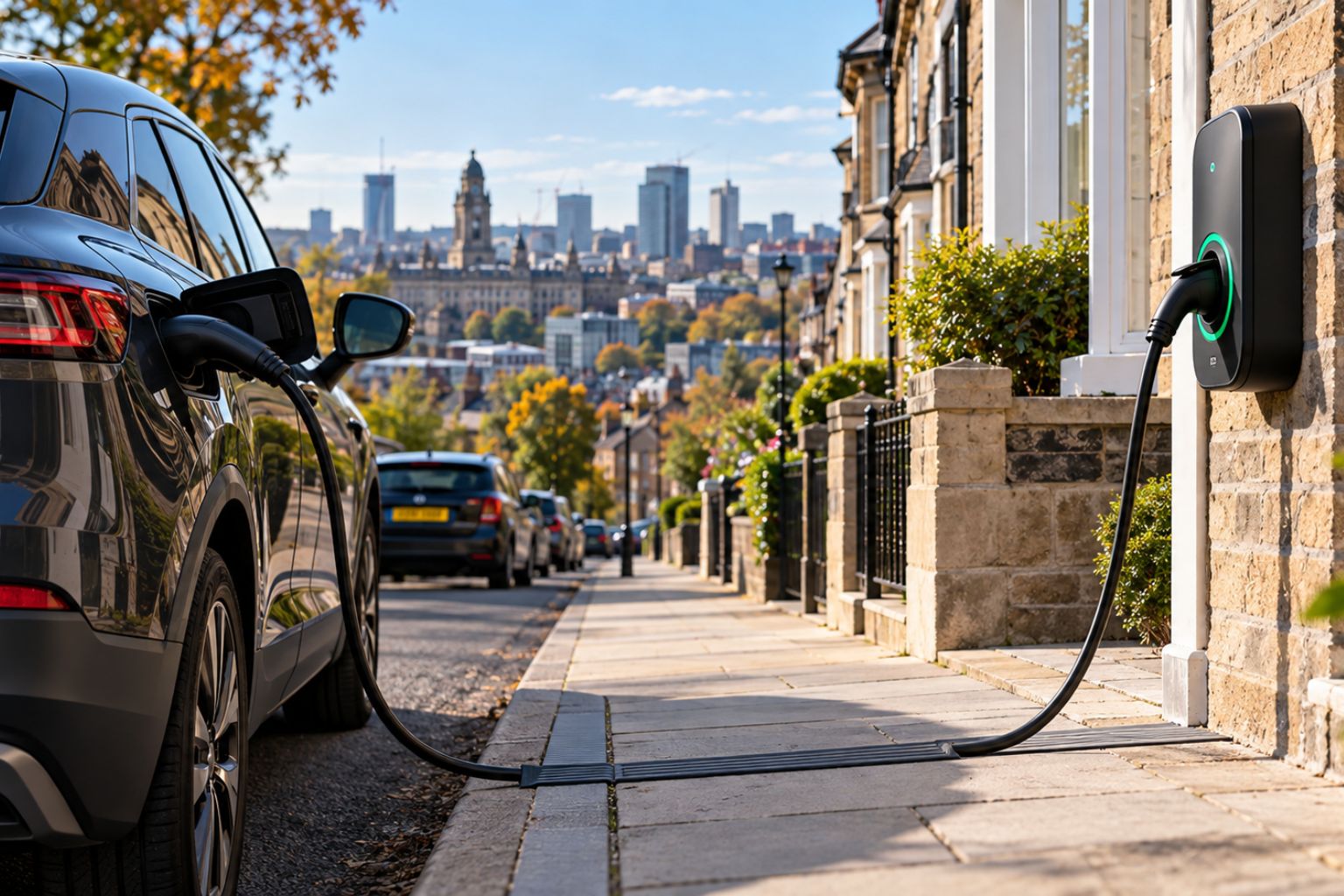
Running an EV charging cable across a public pavement can create a trip hazard and requires the relevant highway authority’s permission.
From 21 October 2026, changes to permitted development rights in England are designed to make approved cross-pavement charging installations easier.
These changes allow certain installations to proceed without a separate planning application, provided they meet the relevant conditions.
However, this does not mean homeowners can simply install a channel themselves or run a charging cable across the pavement.
What is a cross-pavement EV charging channel?
A cross-pavement charging channel is a specially designed, recessed channel installed into a public footway.
It allows an EV charging cable to run from a property to a vehicle parked at the roadside while helping reduce the risk of pedestrians tripping over an exposed cable.
The cable sits within the channel during charging, rather than lying loose across the pavement.
This creates a potential home charging solution for properties that do not have a driveway or private parking space.
Do you still need permission?
Yes.
The new planning regulations do not remove the requirement for highway authority approval.
An authorised cross-pavement solution must be installed by, on behalf of, or with the authorisation of the relevant highway authority.
There are also restrictions relating to certain locations, including conservation areas, listed buildings and scheduled monuments.
Additional rules apply to the positioning of chargers on walls adjoining public highways, including restrictions on how far they project from the wall and the remaining pavement width.
Homeowners should therefore check the suitability of their property and the relevant permissions before committing to an installation.
You can read the legislation in the Government’s October 2026 permitted development regulations.
3. EV Charging Without a Driveway in Leeds
For Leeds homeowners, there is already a local initiative designed to make cross-pavement charging more accessible.
Leeds City Council launched a 12-month pilot scheme on 5 December 2025, allowing eligible residents to apply for an approved charging cable channel across the pavement.
The council is working with Kerbo Charge as its approved provider during the pilot.
This is particularly relevant to residents of terraced and back-to-back properties, where parking on the street is common.
How does the Leeds scheme work?
Under the council’s current pilot arrangements, eligible homeowners apply through Kerbo Charge.
The application process involves an initial eligibility assessment, a site survey and approval from Leeds City Council before installation can proceed.
The charging channel must be installed through the approved process and comply with the council’s requirements.
The scheme is not suitable for every property.
For example, the council requires the channel to be installed on publicly adopted highway land, and there are restrictions on where and how the charging cable can be used.
The vehicle must remain on the same side of the road as the property, and a charging channel does not give the homeowner a reserved parking space.
How much does a cross-pavement charging channel cost in Leeds?
Leeds City Council currently publishes the following costs for its pilot:
- Initial site survey: £63.84 including VAT, non-refundable
- Charging channel supply and installation: £1,250 including VAT
- Highway licence: included within the £1,250 installation price
- Maintenance cover: £4.99 per month from month 25
Additional charges may apply to unusually complex installations.
These are the published costs for the cross-pavement channel and associated arrangements. Homeowners should also budget separately for the appropriate EV charger and its electrical installation.
The council also identifies potential Government grant support of up to £500, subject to eligibility and the relevant application requirements.
As prices, grant availability and pilot arrangements can change, we recommend checking the latest information directly with Leeds City Council’s EV charging guidance before applying.
4. Can You Install an EV Charger at Home Without a Driveway?
Potentially, yes, but the property must be suitable.
The charging channel is only one part of the installation. You will also need an appropriate electrical supply and a suitable charging point.
Before going ahead, several factors should be considered.
Electrical supply and capacity
Your existing electrical installation needs to be assessed to establish whether it can safely support the additional demand of an EV charger.
Depending on the property, electrical upgrades or further work may be required.
Charger location
The charging point must be positioned appropriately, taking account of access, cable routing, the property’s layout and the relevant regulations.
Roadside parking arrangements
A cross-pavement channel does not guarantee that the space outside your property will be available when you need to charge.
This is an important practical consideration for streets with limited parking.
Charger compatibility
Choosing the right charger involves more than selecting a brand.
Your vehicle, electricity tariff, smart charging preferences and any existing solar installation can all influence the best solution.
Permissions and installation requirements
Where the cable needs to cross a public pavement, the relevant highway permissions and approved installation arrangements must be in place.
A qualified EV charger installer can help assess the electrical side of the project and explain what may be involved.
5. Is Home EV Charging Cheaper Than Public Charging?
For many EV owners, access to a home electricity supply can offer a more economical and convenient way to charge.
This is particularly true where an electricity tariff provides reduced rates during off-peak hours.
However, actual savings depend on the rates available to you, your charging habits and the costs associated with installing a home charging system.
For households without a driveway, the cost of a cross-pavement channel also needs to be considered when calculating the overall investment.
A homeowner who charges frequently may find that access to home electricity makes a significant difference over time, whereas someone who drives relatively few miles may have a longer payback period.
The important thing is to consider both the initial installation costs and the ongoing cost of charging.
6. Choosing the Right Home EV Charger
If you’re planning to install a home EV charger, there are several features worth considering.
Smart charging
Smart chargers can allow you to schedule charging, monitor energy use and manage charging through a mobile app.
Off-peak tariff compatibility
Some chargers offer features designed to work with compatible time-of-use electricity tariffs, potentially helping you take advantage of cheaper charging periods.
Solar compatibility
If you have solar panels, certain EV chargers can help you make use of electricity generated at home.
Charging speed
Many UK homes use 7 kW-class chargers, although the actual charging rate depends on the vehicle, available electrical capacity and installation configuration.
Professional installation
EV charging equipment should be installed by a suitably qualified professional who can assess the existing electrical installation and ensure the work meets the applicable requirements.
Scott Electrical installs leading EV charging systems including Ohme, Zappi and Hypervolt, helping homeowners select the right equipment for their property and charging needs.
Learn more about EV charger installation in Leeds.
Frequently Asked Questions
Do I need planning permission to install an EV charger at home?
Many domestic EV charger installations can be carried out under permitted development rights, provided they meet the relevant conditions. Properties with specific restrictions, including certain listed buildings and conservation areas, may require additional consideration.
Can I charge my electric car if I live in a terraced house?
Potentially. If you don’t have a driveway, an approved cross-pavement charging channel may provide a solution, subject to your property’s suitability and the relevant highway authority’s permission.
Can I run an EV charging cable across the pavement in Leeds?
You cannot simply run a loose cable across a public footway. Leeds City Council operates a pilot scheme for approved recessed charging channels, subject to assessment and permission.
Can I install a charging channel myself?
No. A channel crossing the public highway must be authorised by the relevant highway authority and installed through the approved arrangements.
Does a cross-pavement charging channel reserve a parking space?
No. Approval for a charging channel does not give you exclusive rights to park outside your home.
How much does it cost to install a home EV charger?
Costs depend on the charger selected, cable routes, electrical capacity, installation complexity and any additional electrical work required. A property assessment is the best way to establish an accurate installation price.
Is electricity VAT now 0% for home EV charging?
Qualifying domestic electricity supplies in Great Britain are temporarily subject to 0% VAT from 1 October 2026 to 31 March 2027. The reduction applies to qualifying domestic electricity generally, rather than being a separate discount exclusively for EV charging.
Which EV charger is best for my home?
The best charger depends on your vehicle, property, electricity tariff and charging preferences. Ohme, Zappi and Hypervolt offer different features that may suit different households.
EV Charger Installation in Leeds and West Yorkshire
Whether you already own an electric vehicle or are considering making the switch, choosing the right home charging solution is an important part of the process.
At Scott Electrical, we provide professional EV charger installation across Leeds and West Yorkshire, helping homeowners understand their options and select a charger suited to their property, vehicle and electricity tariff.
We can assess your existing electrical supply, advise on charger selection and provide a tailored installation quotation.
For homeowners without a driveway, we can also discuss the electrical installation considerations associated with a proposed roadside charging arrangement, while the cross-pavement channel and highway approvals remain subject to the council’s authorised process.
More On EV Charging
Find articles on Electrical Vehicle charging and EV installation
New EV Charging Rules October 2026: What Leeds Homeowners Need to Know
Government Depot Charging Scheme: A Guide for UK Fleet Operators

Best Home EV Chargers UK: Zappi vs Ohme vs Hypervolt
Tethered vs Untethered EV Chargers: Which Is Best for Your Home?
EV Charger Installation Cost in Yorkshire: What Affects the Price?
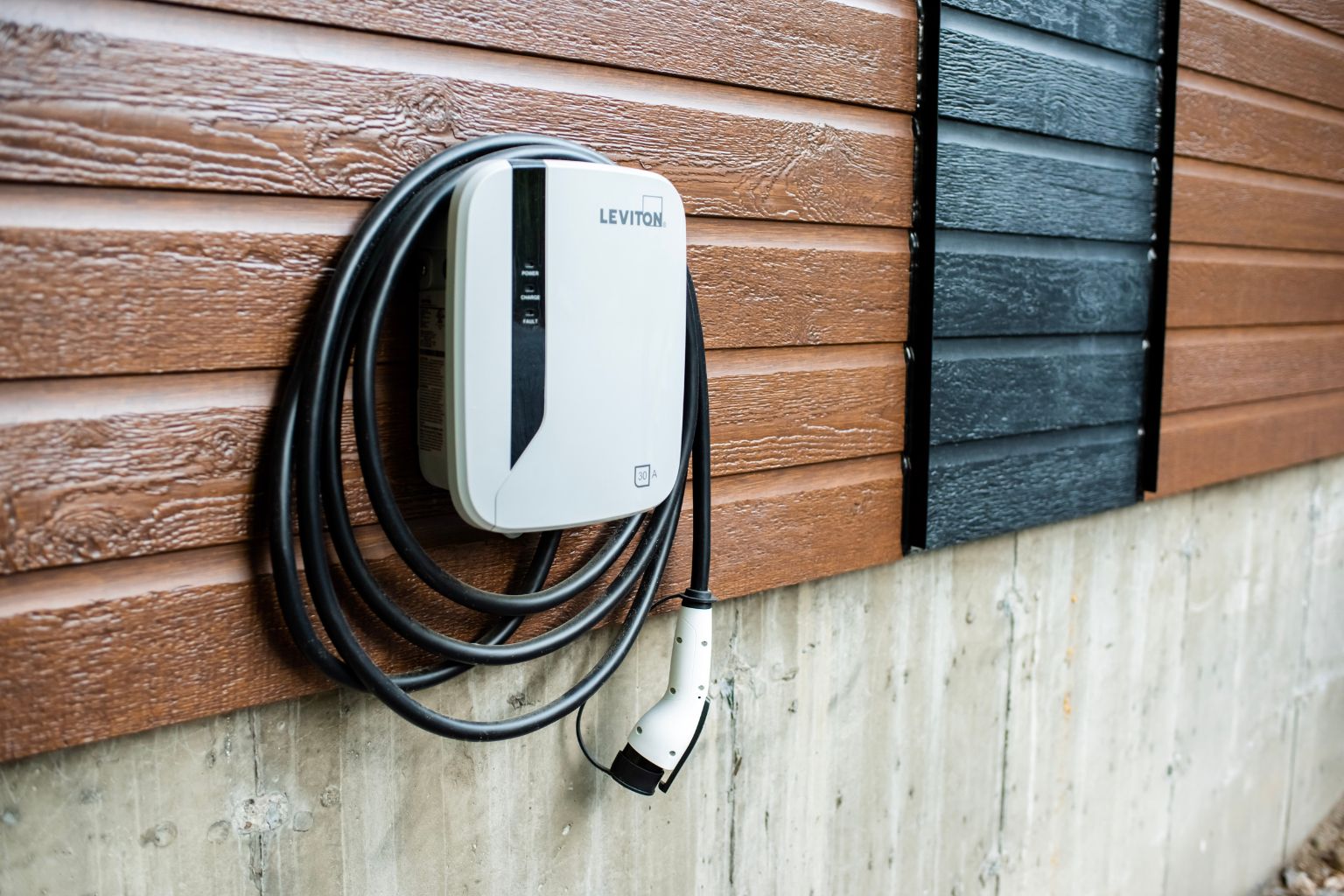
Can My Home Electrical Supply Handle an EV Charger?
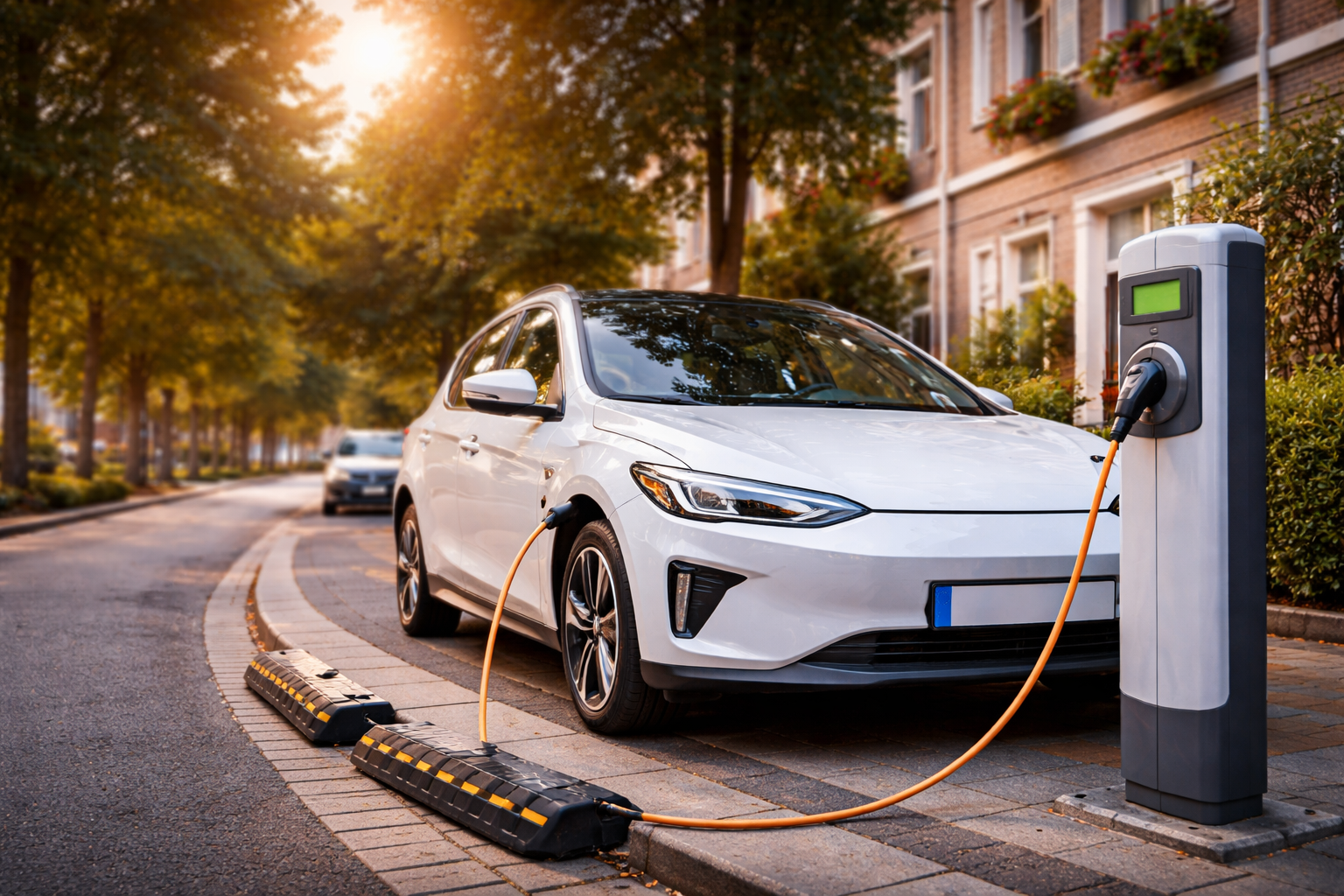
No Driveway? How You Can Still Charge an Electric Car at Home
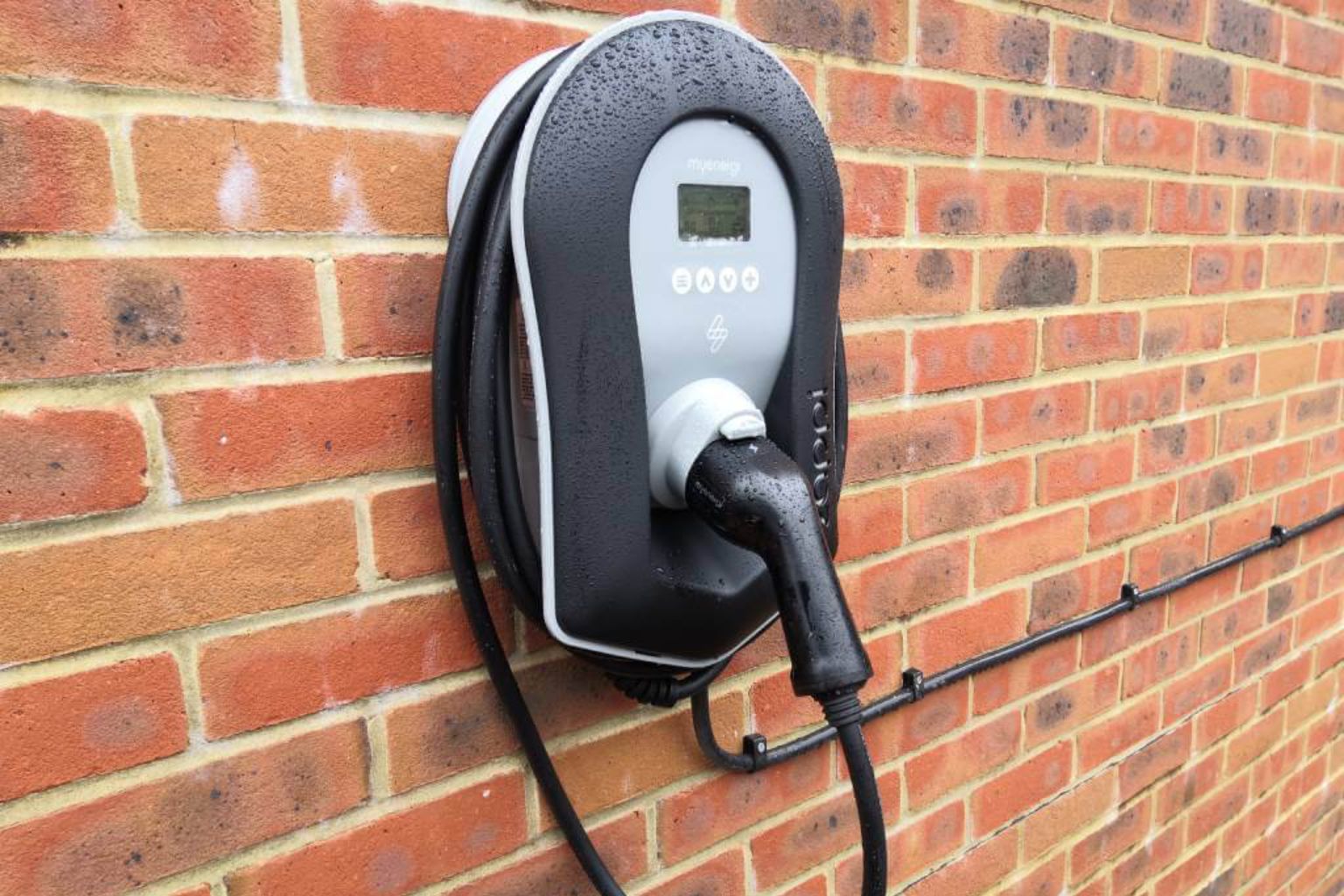
Best EV Chargers for Octopus Intelligent Go and Smart Tariffs
Thinking About Installing a Home EV Charger?
Whether you have a driveway or are exploring your options for charging without off-street parking, our team can help you understand what’s involved.
Contact Scott Electrical for professional advice and a free, no-obligation quotation.
Get an EV Charger Installation Quote
Scott Electrical
Richmond House
Redvers CI
Leeds
LS16 6QY
Fill in our contact form, and we will get back to you shortly
"*" indicates required fields